



The boundary between science fiction and daily reality is blurring at an unprecedented pace. Emerging technologies are no longer confined to high-tech research laboratories or corporate data centers; they have integrated seamlessly into the fabric of everyday human existence. From the way individuals manage their domestic environments to the methods used for professional collaboration, medical care, and transit, these advancements are reshaping human habits. The profound transformation of daily routines is driven by the convergence of intelligent automation, advanced spatial computing, and next-generation connectivity.
The Intelligent Home and Cognitive Automation
The concept of the smart home has evolved far beyond automated light bulbs and voice-activated music playlists. Today, the domestic environment is transitioning into an interconnected ecosystem capable of cognitive automation.
Predictive Climate and Energy Systems
Modern residential infrastructure relies on machine learning models that track granular data points regarding a household’s daily habits. These systems do not simply follow a pre-programmed schedule; they actively learn when occupants wake up, which rooms are utilized at specific hours, and how external weather variations impact internal thermal dynamics.
By cross-referencing this behavioral data with real-time electricity grid pricing, smart homes optimize heating, ventilation, and air conditioning systems. The technology pre-cools or pre-heats structures during off-peak hours, significantly reducing environmental footprints and utility costs without requiring human programming.
Intelligent Appliance Ecosystems
Domestic appliances have transformed into analytical tools designed to minimize cognitive load and eliminate routine friction.
-
Refrigeration and Inventory Tracking: Modern refrigerators utilize internal optical sensors and weight-sensitive shelving to track food inventory. The appliance autonomously monitors expiration dates, suggests nutritional recipes based on existing ingredients, and automatically updates digital grocery lists when staples run low.
-
Automated Maintenance Systems: Major household appliances now feature continuous self-diagnostic software. If a washing machine or dishwasher detects internal scale buildup or a worn bearing, it alerts the homeowner and can directly schedule a technician visit or order the correct replacement part before a mechanical failure occurs.
Spatial Computing and the Evolution of Workspace Reality
The traditional office environment and standard two-dimensional computer screens are giving way to advanced spatial computing frameworks. This technological shift is redefining professional productivity and personal digital interaction.
The Dissolution of Physical Distance
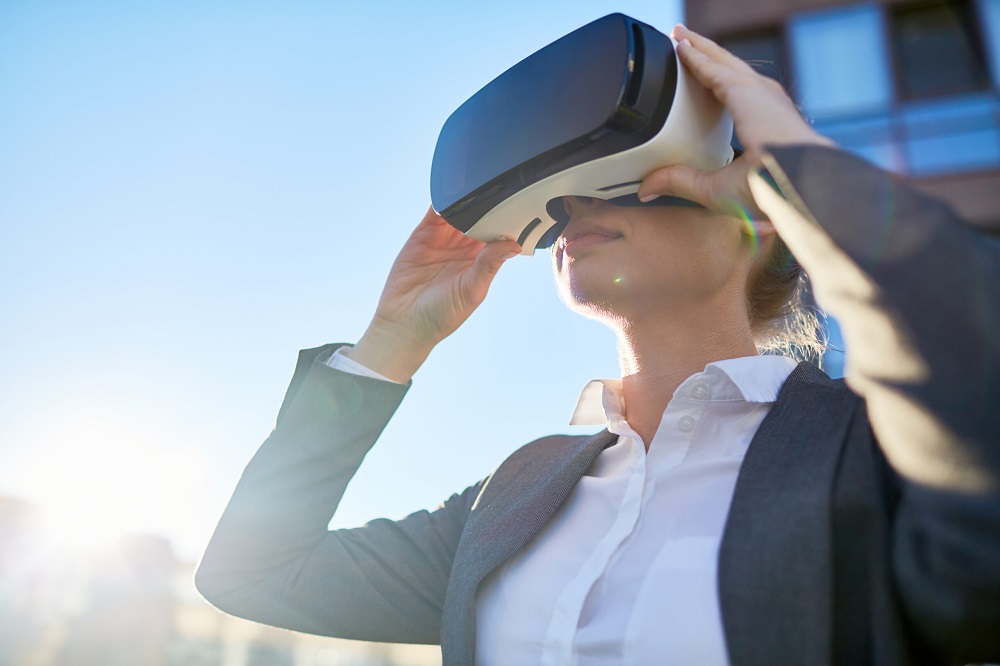
Spatial computing platforms utilize high-resolution micro-displays and advanced eye- and hand-tracking sensors to overlay digital workspaces directly onto the physical environment. In everyday professional life, this eliminates the constraints of physical geography.
Teams distributed across different continents gather in shared virtual environments where they can manipulate complex three-dimensional data models, review architectural blueprints, or conduct collaborative brainstorming sessions as if they were physically present in the same room. This immersive reality bypasses the visual fatigue associated with traditional video conferencing, making remote collaboration highly efficient and natural.
Augmented Learning and Personal Skill Acquisition
Outside the corporate boardroom, spatial computing serves as a powerful accelerator for personal education and skill development.
Whether an individual wants to learn complex culinary techniques, perform vehicle maintenance, or master a musical instrument, augmented reality interfaces provide step-by-step visual guidance. By superimposing real-time text directions, dynamic structural outlines, and interactive virtual hands over the physical object the user is manipulating, the technology dramatically shortens learning curves and reduces instructional errors.
Precision Medicine and Personalized Wellness Ecosystems
Healthcare is undergoing a radical paradigm shift from a reactive system that treats existing illnesses to a proactive system focused on precision prevention. This transformation is driven by wearable diagnostic arrays and real-time biological data analysis.
Continuous Biomarker Surveillance
Consumer wearable tech has advanced far beyond standard step counters. Modern devices are equipped with sophisticated sensor arrays that continuously track heart rate variability, peripheral blood oxygen levels, skin temperature fluctuations, and single-lead electrocardiograms.
These devices establish a highly personalized baseline for the user’s physiology. If the underlying algorithms detect a sudden, sustained deviation from this baseline, the system alerts the user to potential physical anomalies, such as an impending viral infection, cardiac irregularity, or elevated stress levels, days before physical symptoms manifest.
The Rise of Digital Health Twins
The aggregation of continuous biometric tracking data enables the creation of a digital twin, a dynamic virtual replica of an individual’s biological systems. Healthcare professionals utilize these digital models to simulate how a patient’s body will react to specific pharmaceutical treatments, dietary alterations, or exercise regimens.
This predictive capability allows physicians to bypass the traditional trial-and-error approach to medicine, enabling the prescription of personalized therapies tailored precisely to the unique genetic and physiological profile of the individual.
Ambient Intelligence and Autonomous Urban Transit
The integration of ambient intelligence into urban infrastructure and transportation networks is systematically changing how people navigate their cities, making transit safer, faster, and highly efficient.
Micro-Mobility and Smart Traffic Orchestration
Urban centers are deploying advanced traffic orchestration platforms driven by real-time computer vision networks. These systems analyze vehicular volume, pedestrian density, and public transit schedules to alter traffic signal timings dynamically.
By optimizing flow in real time, these platforms drastically reduce traffic congestion and idle carbon emissions. Furthermore, the integration of micro-mobility options, such as connected electric bicycles and scooters, allows commuters to transition between different transit modes using unified digital ticketing platforms, making urban travel highly convenient.
Autonomous Delivery and Logistics Integration
The logistics of everyday retail and food delivery are experiencing a massive shift toward automation. Sidewalk delivery robots and autonomous drone networks are transitioning from experimental trials into standard neighborhood operations.
These compact electric vehicles navigate pedestrian walkways and low-altitude corridors using advanced lidar, radar, and camera suites to deliver packages, groceries, and medical supplies directly to residential doorsteps. This shift reduces the number of delivery trucks on residential roadways, lowers urban noise pollution, and provides exceptionally fast fulfillment windows for consumers.
Frequently Asked Questions
How does next-generation cellular connectivity impact the reliability of everyday smart devices?
Next-generation cellular networks provide massive bandwidth, ultra-low latency, and the capacity to connect millions of devices per square mile simultaneously. This advanced connectivity ensures that smart home systems, autonomous delivery vehicles, and wearable health monitors can transmit massive datasets to cloud servers instantly without experiencing network congestion, ensuring real-time operational reliability.
What mechanism ensures that voice-activated smart assistants protect household privacy?
Modern smart assistants utilize localized edge computing to monitor for specific wake words without transmitting background conversations to the cloud. The audio stream is only broadcast to external servers after the physical hardware detects the explicit activation command. Additionally, contemporary devices feature mechanical mute switches that completely disconnect power to the microphone array for guaranteed privacy.
Can spatial computing devices cause physical strain or eye fatigue during extended daily use?
Extended use of spatial computing headsets can potentially induce digital eye strain, motion sickness, or physical neck fatigue if the hardware is not configured correctly. To mitigate these issues, modern manufacturers implement advanced dynamic foveated rendering, exceptionally high refresh rates, and lightweight ergonomic designs that distribute weight evenly across the user’s head.
How do smart home energy management systems interact with public utility companies?
Smart home energy management platforms connect to public utility systems via smart grid technology. This integration allows the home’s central hub to receive real-world energy demand data and fluctuating pricing metrics from the utility provider. The home then automatically shifts its highest energy-consuming tasks, such as charging an electric vehicle, to hours when electricity is cheapest and most abundant.
Are autonomous sidewalk delivery robots safe for pedestrians and domestic pets?
Autonomous delivery robots utilize a multi-layered sensor suite composed of 360-degree cameras, ultrasonic sensors, and lidar arrays to map their immediate surroundings in real time. The underlying navigation software prioritizes pedestrian right-of-way, automatically decelerating to a complete stop or navigating around moving obstacles, including distracted pedestrians and unpredictable domestic pets, with extreme caution.
How do digital health twins maintain the absolute security of sensitive medical profiles?
Digital health twin architectures safeguard personal health data by implementing advanced cryptographic techniques, including end-to-end encryption and decentralized data storage systems. Furthermore, many platforms utilize differential privacy models, which allow analytical systems to extract vital medical insights without exposing the explicit identity or raw biometric markers of the individual user.