



Industrial machinery forms the backbone of modern manufacturing, construction, power generation, and many other sectors. From massive turbines and compressors to precision production equipment, these machines operate under intense mechanical stress for long hours. Behind the scenes, one critical component quietly ensures their reliability and longevity: lube oil pumps.
While they may not always receive the same attention as engines or motors, lube oil pumps are fundamental to the performance and durability of industrial systems. Without proper lubrication, machinery would quickly experience friction related wear, overheating, and catastrophic failure.
This article explores what lube oil pumps are, how they work, and why they are indispensable in industrial machinery.
Understanding Lube Oil Pumps
Lube oil pumps are mechanical devices designed to circulate lubricating oil through machinery systems. Their primary purpose is to deliver oil to moving parts that require consistent lubrication in order to operate efficiently.
Inside any industrial machine, numerous components move against each other. Bearings rotate, shafts spin, gears mesh, and pistons move under high pressure. These interactions generate friction and heat. Lubricating oil forms a protective film between these surfaces, reducing friction and preventing direct metal to metal contact.
Lube oil pumps ensure that this protective oil film is continuously supplied to critical components. By maintaining a steady flow of lubricating oil, these pumps help machinery operate smoothly even under heavy loads and extreme conditions.
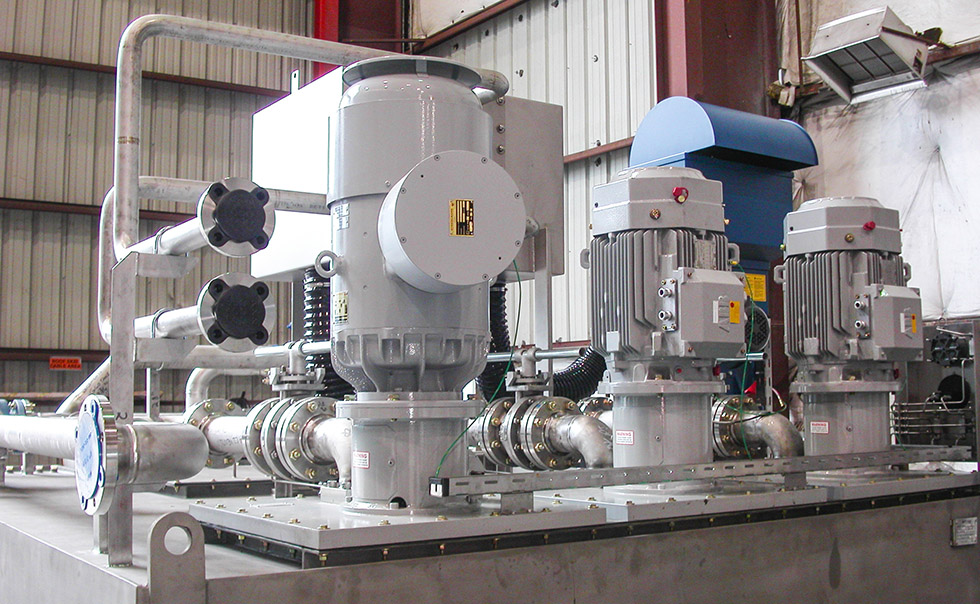
In large industrial setups, lubrication systems are carefully engineered networks. Oil reservoirs store the lubricant, filters remove contaminants, coolers maintain proper temperature, and lube oil pumps act as the heart of the entire system by moving oil through the circulation loop.
How Lube Oil Pumps Work
The working principle of lube oil pumps is relatively straightforward, yet their role in machinery is highly sophisticated. The pump draws lubricating oil from a reservoir or sump and pushes it through lubrication channels toward various components of the machine.
The basic lubrication cycle typically follows several steps.
First, the pump draws oil from a storage tank or oil sump. This oil may pass through a filter to remove debris and contaminants that could damage machine parts.
Next, the pump pressurizes the oil and sends it through a network of pipes or internal channels. These pathways deliver oil to bearings, gears, shafts, and other moving components that require lubrication.
Once the oil reaches these parts, it forms a thin film that separates metal surfaces. This film significantly reduces friction and helps distribute heat away from the components.
Finally, the oil returns to the reservoir where it may pass through cooling and filtration stages before being circulated again.
This continuous cycle ensures that the machinery receives consistent lubrication throughout its operation.
Types of Lube Oil Pumps Used in Industry
Different industrial applications require different lubrication approaches. As a result, several types of lube oil pumps are used depending on the machinery design, oil viscosity, and pressure requirements.
Gear pumps are widely used in lubrication systems because they provide steady and reliable oil flow. They work by trapping oil between rotating gears and the pump casing, moving it toward the outlet under pressure.
Screw pumps are often used in high capacity lubrication systems. Their smooth flow characteristics make them suitable for applications that require consistent pressure and minimal pulsation.
Centrifugal pumps are sometimes used in large scale lubrication systems where high flow rates are required but pressure levels remain moderate.
Piston pumps can also be used in specialized lubrication systems where precise oil delivery is necessary.
Oil pump manufacturers design these pumps with specific industrial needs in mind, ensuring compatibility with different oil viscosities, temperatures, and operating environments.
Why Lubrication Is Critical for Industrial Machinery
The importance of lubrication cannot be overstated in industrial operations. Proper lubrication directly affects machine performance, efficiency, and lifespan.
One of the most important functions of lubrication is friction reduction. When two metal surfaces slide or rotate against each other without lubrication, they create significant resistance. This resistance not only wastes energy but also leads to rapid wear.
Lubricating oil forms a barrier between these surfaces, allowing them to move smoothly. Lube oil pumps ensure that this barrier remains intact throughout the entire operation cycle.
Heat control is another key benefit of proper lubrication. Mechanical friction generates heat that can damage components and degrade machine performance. Circulating oil absorbs heat from these parts and carries it away, helping maintain stable operating temperatures.
Lubrication also plays a role in contamination control. Oil can carry away small particles generated during machine operation. When this oil passes through filtration systems, these contaminants are removed, keeping the machinery clean.
Additionally, lubrication helps prevent corrosion by protecting metal surfaces from moisture and chemical exposure.
The Role of Lube Oil Pumps in Different Industries
Lube oil pumps are essential across many industrial sectors where equipment reliability is critical.
In power generation facilities, turbines and generators rely on continuous lubrication to maintain smooth rotation at high speeds. Lube oil pumps ensure that bearings and rotating shafts receive adequate lubrication during both startup and full operation.
In manufacturing plants, heavy machinery such as presses, conveyors, and compressors operate for extended periods. A reliable lubrication system supported by efficient lube oil pumps keeps these machines running without unexpected interruptions.
The marine industry also depends heavily on lubrication systems. Ship engines and auxiliary equipment operate under demanding conditions where consistent lubrication is vital for safe operation.
Similarly, oil and gas facilities use large compressors, pumps, and turbines that require constant lubrication. In these environments, the reliability of lube oil pumps directly impacts operational safety and productivity.
Because of their widespread importance, oil pump manufacturers continuously innovate to develop pumps capable of handling challenging industrial conditions.
Factors That Influence the Performance of Lube Oil Pumps
Several factors determine how effectively lube oil pumps perform within industrial systems.
Oil viscosity is one of the most important considerations. Lubricating oils vary in thickness depending on their composition and temperature. Pumps must be designed to handle specific viscosity ranges to maintain efficient oil flow.
Operating temperature also affects lubrication systems. High temperatures can thin the oil, while low temperatures can make it thicker. Well designed pumps maintain consistent performance across varying temperature conditions.
Pressure requirements vary depending on the machinery design. Some components require higher oil pressure to maintain an adequate lubrication film. Pumps must deliver the appropriate pressure without causing excessive energy consumption.
System cleanliness is another critical factor. Contaminated oil can damage pumps and other machinery components. Effective filtration systems help maintain oil quality and extend equipment life.
Oil pump manufacturers take all these variables into account when designing pumps for industrial applications.
Maintenance and Reliability Considerations
Even the most robust lubrication system requires regular maintenance to ensure optimal performance.
Routine inspection of lube oil pumps helps detect potential issues before they become serious problems. Monitoring oil pressure, temperature, and flow rates can provide valuable insights into system health.
Oil quality should also be monitored regularly. Over time, lubricating oil can degrade due to heat, oxidation, and contamination. Periodic oil analysis helps determine when replacement is necessary.
Filters and coolers within the lubrication system must be cleaned or replaced at scheduled intervals to maintain proper oil circulation.
When lubrication systems are properly maintained, lube oil pumps can operate reliably for many years while protecting valuable industrial equipment.
Innovations in Lubrication Technology
Modern industrial operations demand higher efficiency, improved reliability, and reduced maintenance downtime. As a result, lubrication technology continues to evolve.
Advanced monitoring systems now allow operators to track lubrication performance in real time. Sensors can measure oil pressure, temperature, and flow, enabling predictive maintenance strategies.
Energy efficient pump designs are also becoming increasingly common. These designs reduce energy consumption while maintaining optimal lubrication performance.
Oil pump manufacturers are investing in improved materials, precision engineering, and smart monitoring technologies to meet the evolving needs of modern industries.
These advancements are helping industries achieve greater equipment reliability while minimizing operational risks.
Lube oil pumps may operate quietly behind the scenes, but their role in industrial machinery is absolutely vital. By ensuring continuous lubrication, these pumps protect critical machine components from friction, heat, and wear.
From power plants and manufacturing facilities to marine systems and energy infrastructure, lubrication systems supported by efficient lube oil pumps help keep complex machinery operating smoothly and safely.
As industries continue to push the boundaries of performance and efficiency, the importance of reliable lubrication systems will only grow. Through ongoing innovation and engineering expertise, oil pump manufacturers continue to develop advanced pumping solutions that support the demanding needs of modern industrial machinery.
Understanding the function and importance of lube oil pumps highlights a simple but powerful truth in industrial engineering: even the smallest components can play a major role in keeping the world’s machinery running.